
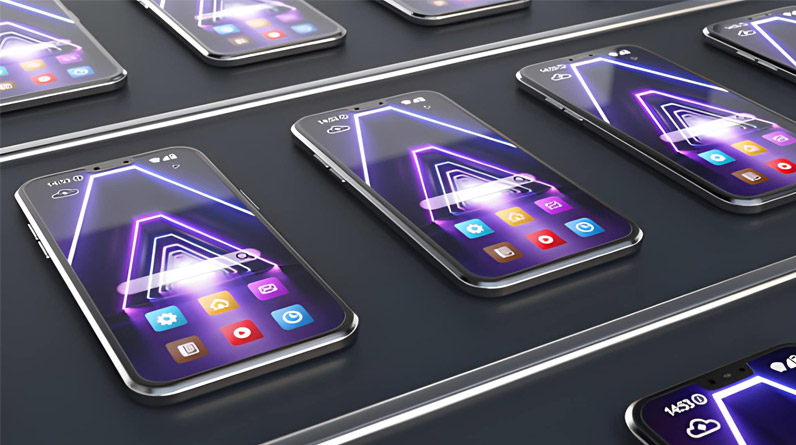
Smartphones have come a long way from basic mobile communicators to powerful pocket computers. Foldable phones have been one of the most exciting innovations in recent years, blending larger screens with portability. But as we approach 2026 and beyond, industry trends show that the next chapter in mobile evolution is shaping up around more than just flexible displays—encompassing advanced artificial intelligence, new form factors, and a reimagined role in our digital lives.
Where Foldables Fit in Today’s Smartphone Landscape
Foldable smartphones introduced a fresh design category that let users expand their screen real estate without carrying a separate tablet. These devices use flexible OLED panels to bend and unfold, offering multitasking and more immersive media experiences. Market research forecasts continued growth in foldable shipments in 2026, driven by increased competition and improving durability, even as they remain a niche segment compared to traditional slab phones.
Design and Adoption Notes
- Foldables provide large, tablet-like displays that still fit in a pocket form.
- Manufacturers are refining hinges and crease-free displays to improve longevity and feel.
- Despite momentum, foldables are still more expensive and less mainstream than conventional smartphones.
Emerging Trends Shaping the Future of Smartphones
1. Rollable and Expandable Screens
Beyond folding, manufacturers are experimenting with rollable displays that physically extend the screen size without hinges. These screens could shift dynamically from compact to tablet modes, offering even more flexibility for media, gaming, and productivity.
2. AI-Native Smartphones
Smartphones built from the ground up with artificial intelligence capabilities are becoming a defining trend. These “AI phones” integrate specialized hardware and software to perform advanced AI tasks locally on the device, offering faster responses, improved security, and smarter contextual interactions without relying on cloud processing.
- AI-native phones could handle real-time translation, personalized assistants, and predictive features seamlessly.
- This transition signals a shift from classic app-centric experiences to AI-driven interaction models.
3. New Form Factors and Wearables
The traditional slab phone might eventually morph into new wearable or augmented reality (AR) platforms. Concepts for smart glasses and mixed reality headsets are gaining traction, aiming to blend digital information directly into the user’s environment. These devices could take over many tasks currently done on phones—navigation, communication, immersive media, and more—without needing to look down at a screen.
4. Modular and Sustainability-Driven Phones
There is renewed interest in modular designs where users can replace or upgrade components such as cameras, batteries, and sensors. While modular phones have historically faced challenges—bulkier builds and performance trade-offs—they appeal to environmentally conscious consumers and can extend device lifespans, reducing electronic waste.
5. Connectivity and Integration Advances
Future wireless technologies like 6G are expected to offer higher speeds, ultra-low latency, and tighter integration between communication and sensing systems. This will enable richer experiences such as real-time holographic communications, advanced AR/VR experiences, and seamless connectivity across devices.
Practical Considerations: What This Evolution Means for Users
As smartphone technology advances, not every innovation will immediately replace the whole category. Here are some common questions users are likely to have:
Will these new technologies make phones obsolete?
No. New form factors like AR glasses or rollables are likely to complement rather than completely replace smartphones in the near term. People will still rely on highly capable handheld devices for everyday tasks, communication, and photography.
Are foldables being replaced?
Foldables will continue to evolve and improve, but they are one branch of a broader innovation tree. Their limitations—such as cost, durability concerns, and weight—mean other concepts (like rollables or AI-optimized phones) may gain more mainstream traction.
How will AI change everyday phone use?
AI-native phones could redefine how we interact with devices—automating mundane tasks, offering proactive assistance, and even managing schedules or digital workflows. This could reduce the need to install and manage numerous separate apps.
Conclusion
The evolution of smartphones after foldables is not a single leap, but a multifaceted shift. Innovations in display technology, artificial intelligence, new form factors, and modular sustainability are converging to redefine what a smartphone can be. While foldable phones helped push the boundaries of design, the coming years may see devices that feel more intelligent, contextually aware, and integrated into our digital ecosystems than ever before.